Roofing in Loveland, CO, fixed before the next storm
Hail dents, a new ceiling stain, shingles in the yard after a hard west wind. One call connects you with an independent local roofer who inspects the damage, explains your options in plain language, and handles the repair, the insurance documentation or a full replacement.
Chip's Roofing Loveland is a free referral service. Your call is connected to an independent, third-party roofing provider serving Loveland. We do not perform roofing work ourselves.
Independent local pros
Hail and storm focus
No-cost, no-obligation call
Hail checkTest squares and photos
Leak tracedAttic to flashing
One callA local Loveland roofer
The short answer
Who should you call for a roof problem in Loveland?
Call a local roofer who will get on the roof, document what they find, and tell you whether you need a repair, an insurance claim or a replacement before quoting anything. That is what this line is for.
One call connects you with an independent roofing provider that works in Loveland and the surrounding Northern Colorado towns. You describe the problem, they set up an inspection, and you decide what happens next. There is no cost to call and no obligation to hire.
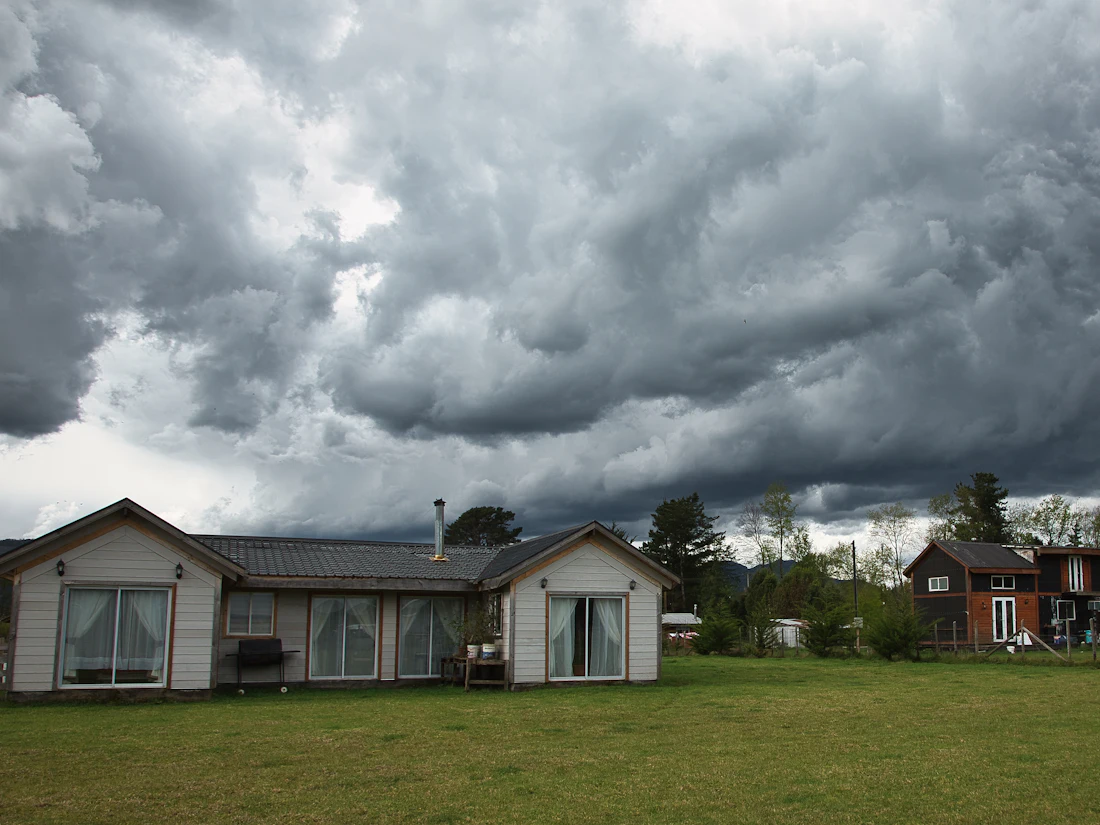
Roofs here take a harder beating than in most of the country. At nearly 5,000 feet, sunlight is stronger and shingles dry out sooner. Spring and summer storms rolling off the Front Range drop hail that bruises asphalt and cracks plastic vents. Winter brings snow that melts and refreezes at the eaves, plus gusty downslope winds that peel back shingle edges. Problems that look small from the driveway often are not.
High-altitude sun. Stronger UV and dry air bake the oils out of asphalt shingles.
Front Range hail. Storms bruise the shingle mat and knock off protective granules.
Freeze and thaw. Melting snow refreezes at cold eaves and forms ice dams.
Foothill winds. Strong gusts lift shingle tabs and break their seal strips.
Roofing services
What kind of roof help do you need?
Six services cover almost every call we get from Loveland homeowners. Start with the one that matches what you see, and the provider will confirm it on site.
Most requested
Hail Damage Roof Repair
Hail rarely punches holes. It bruises. Each strike crushes the shingle mat and knocks off granules, leaving soft spots that crack and leak a season or two later. A provider can mark test squares on each slope, photograph every hit, check vents, gutters and flashing, and document what your adjuster needs to see before you decide on a claim.
Missing shingles, cracked pipe boots, loose ridge caps and tired flashing are the repairs most Loveland homes need. Caught early, a targeted fix restores the roof's seal without the cost and disruption of a re-roof, and a careful roofer matches shingle color and profile as closely as the current product line allows.
A brown ring on the ceiling shows where water ended up, not where it got in. Leaks travel along rafters and decking before they drip. Tracing one means starting in the attic, then checking flashing at chimneys, walls, skylights and valleys, where most leaks begin. Fixing the source beats painting over the stain.
A limb through the roof, shingles gone after a windstorm, water coming in mid-storm. Emergency work stops the water first with tarps, temporary seals and debris removal, then photographs everything before permanent repairs begin. Call while it is happening, and move valuables and electronics away from the drip.
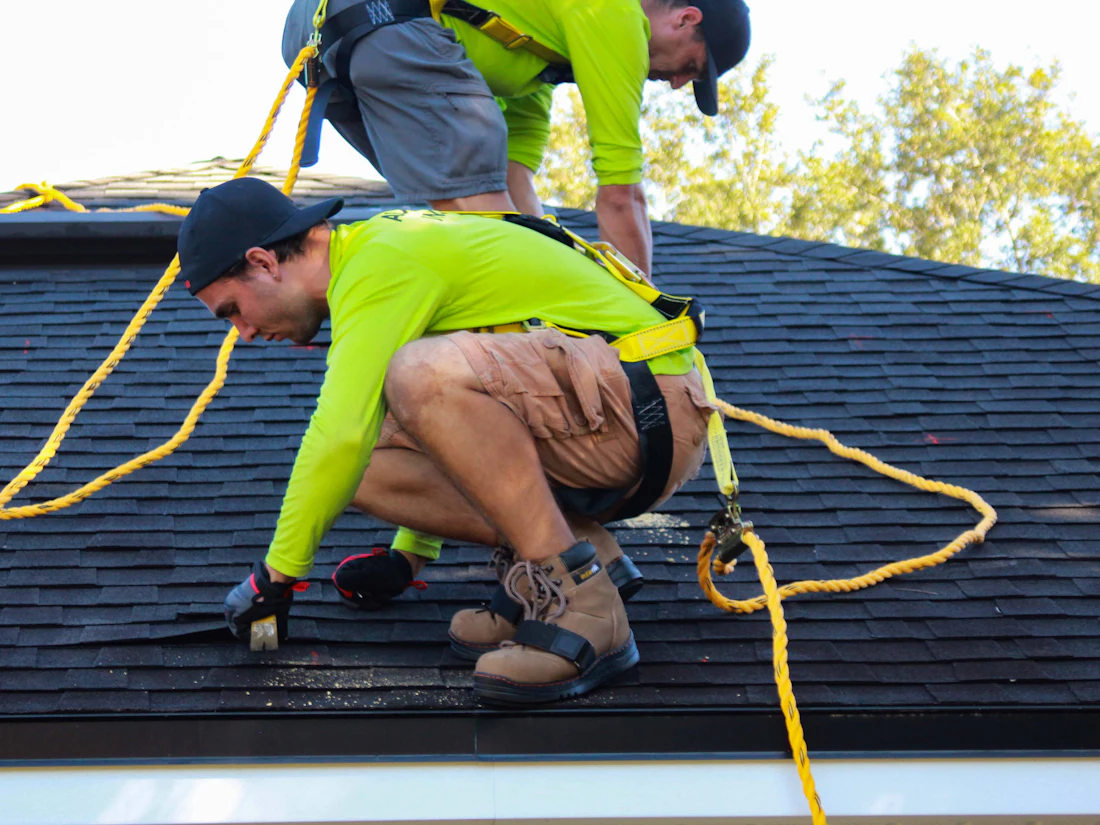
When shingles are brittle, curling and shedding granules on every slope, or hail has damaged most of the roof, replacing it beats chasing one repair after another. A full tear-off lets the crew inspect the decking, add ice and water shield at eaves and valleys, correct the ventilation and install impact-resistant shingles if you choose them.
Buying a house, weighing a claim, or just came through a hailstorm? An inspection puts the roof's condition in writing: shingles, flashing, vents, gutters, attic ventilation and any sign of moisture. It is the cheapest way to avoid a surprise, and the record helps when you sell, refinance or negotiate a purchase price.
How does roof damage happen, how is it found, and what comes next?
Knowing the cause tells you what to look for and what to ask. Here is how Loveland's weather breaks down a roof, how a good inspection finds it, and what follows.
Hail and the Front Range storm season
Northern Colorado sits in one of the most active hail corridors in North America, and most storms arrive between late spring and late summer. Hailstones do not need to be huge to do harm. On asphalt shingles, a strike crushes the fiberglass mat and strips away granules, leaving bare asphalt exposed to the sun. The roof keeps shedding water for a while, which is why hail damage roof repair so often starts only after a leak shows up months later.
High-altitude sun and dry air
Loveland's elevation means stronger UV exposure, and the dry climate pulls oils out of asphalt faster than in humid regions. Shingles lose flexibility, crack at the tabs and curl at the edges. South- and west-facing slopes usually age first, so one side of a roof can be failing while the other still looks fine from the street.
Snow, ice dams and freeze-thaw
Sunny days right after a snowfall are normal here. Snow melts on the warm upper roof, runs to the cold eaves and refreezes into a ridge of ice. Water backs up behind it and works under the shingles. Repeated freezing also opens small cracks in sealant and flashing. Ice and water shield at the eaves and balanced attic ventilation are the main defenses, and when a dam has already pushed water inside, roof leak repair starts with tracing where it got in.
Wind off the foothills
Strong downslope winds can hit the west side of town hard. Gusts lift shingle tabs and break the adhesive strip that holds them flat. Once unsealed, a shingle flaps until it creases or tears off. Ridge caps and the first rows along rakes and eaves usually go first.
How do roofers detect roof damage?
A thorough roof inspection works from the outside in and from the inside out. Expect a provider to cover these steps, and ask about any they skip:
Ground and gutter check: dented downspouts, granules collecting in gutters, sagging ridge lines and lifted edges.
Test squares: a marked 10-by-10-foot area on each slope where hail hits are counted and photographed, the method insurers commonly use.
Flashing and penetrations: chimneys, pipe boots, exhaust vents, skylights, valleys and wall joints, where most leaks start.
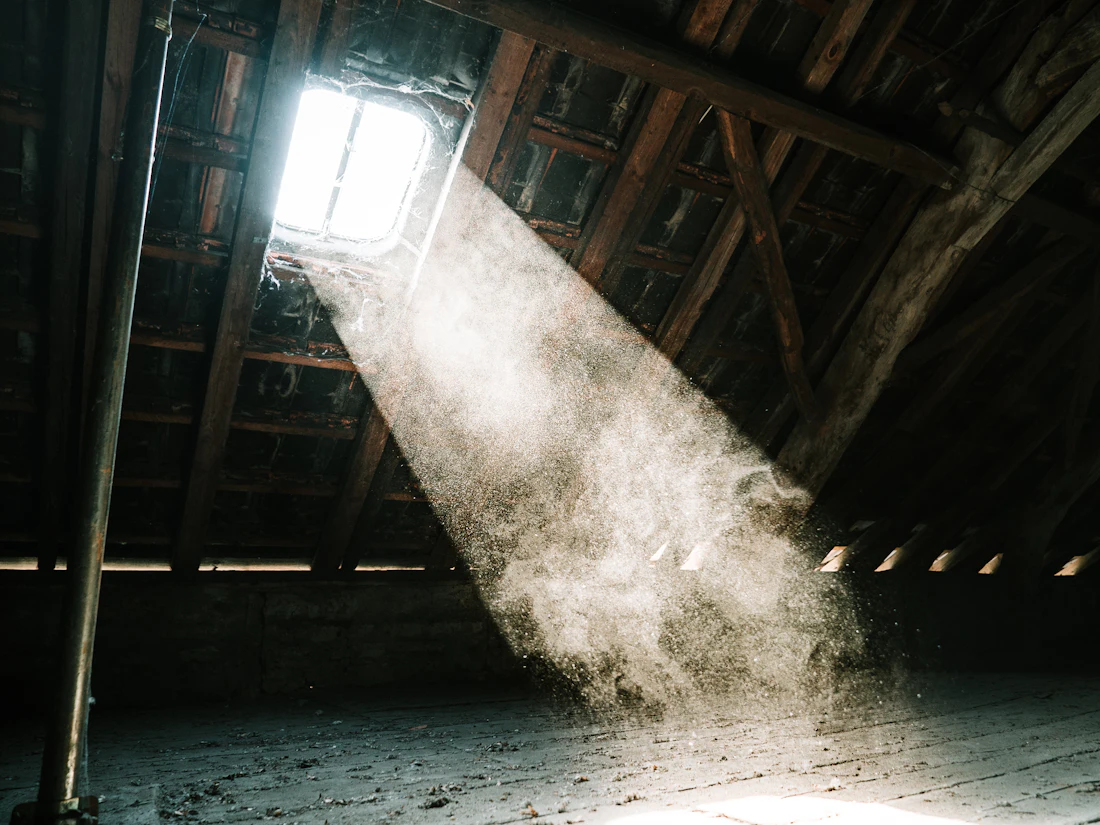
Attic inspection: stains on the decking, damp insulation, daylight through boards, and frost or mold from poor ventilation.
Moisture tools: some providers use moisture meters or infrared imaging to find wet decking you cannot see.
Pro tip
Right after a storm, take dated photos from the ground of your roof, gutters, window screens and any dented metal. They help establish when the damage happened if you file a claim later. Never climb onto a wet or hail-damaged roof yourself.
Attic check
What happens after the inspection?
You should leave with a clear finding: no action needed, a repair, a storm claim or a replacement. For a repair, the provider quotes the specific work, such as replacing a run of shingles, resealing chimney flashing or swapping a cracked pipe boot.
For storm damage, they document the findings so you can decide whether to file with your homeowner's insurance. If you file, the insurer sends an adjuster, and the insurer decides what is covered. A roofer who has already photographed the test squares can meet the adjuster and point out what they found.
If replacement makes sense, the written quote should list tear-off, decking repairs, underlayment, ice and water shield, ventilation, drip edge, the shingle line, cleanup and permits. Re-roofs in Loveland generally require a city building permit, which the roofer typically pulls for you.
Warning
After big hailstorms, out-of-town crews often go door to door. Colorado law prohibits roofing contractors from offering to pay, waive or rebate any part of your insurance deductible, so treat any offer to "cover" it as a red flag, and get a written contract before any work starts.
New roof going on
The process
What happens from the first call to a sealed roof?
Four steps, and you stay in control of each one. Nothing gets scheduled or signed until you say yes.
01
Call and describe it
Tell us what you are seeing and roughly where you are in Loveland. Your call is connected to an independent local roofing provider.
02
On-site inspection
The provider sets a time to look at the roof, attic and flashing, and photographs anything damaged so you can see it too.
03
Clear options
You get the findings and a written quote: repair, claim documentation or replacement. Compare it, ask questions, take your time.
04
Work and walk-through
Once you approve, the work is scheduled. Ask for after photos and a magnetic sweep of the yard and driveway for stray nails.
The cost of waiting
What happens if you put off a roof repair?
It gets bigger. Roof damage does not stay the size it was on the day you noticed it.
A shingle that lost its seal in a spring wind is often a missing shingle by summer. Water that slips under it soaks the underlayment, then the decking, and plywood that stays wet softens, delaminates and grows mold. By the time a stain shows on the ceiling, the bill usually includes drywall, insulation and paint, not just shingles.
Timing matters for insurance too. Most homeowner's policies set a deadline for reporting storm damage, and insurers can deny damage they attribute to neglect or wear rather than the storm. Read your policy, and get storm damage inspected while the cause is still obvious. Small hail bruises left alone tend to turn into leaks during the next winter's freeze-thaw cycles, when repairs are harder to schedule.
How a small problem escalates
Lifted or cracked shingle. Usually the smallest, simplest repair a roof will ever need.
Water reaches the underlayment. Still contained, but the clock is running.
Decking gets soaked. Sheathing replacement adds labor and material to the job.
Water enters the house. Now it is drywall, insulation, paint and possible mold.
Cost factors
What affects the cost of roof work in Loveland?
No honest roofer can price a roof over the phone. These are the variables that move the number, and the question worth asking about each.
Factor
Why it matters
Ask the provider
Roof size and pitch
Larger and steeper roofs need more material, safety gear and labor time.
Is there a steep-pitch charge?
Layers to remove
Tearing off two or more old layers adds labor and disposal.
How many layers are on my roof now?
Decking condition
Soft or rotted sheathing must be replaced before new shingles go on.
How is decking priced if you find damage?
Material choice
Architectural, Class 4 impact-resistant, metal and tile vary widely.
Could impact-resistant shingles lower my premium?
Flashing and vents
Chimneys, skylights, valleys and vents may need new metal and boots.
Is new flashing included, or reused?
Permits and access
City permits, landscaping protection and dumpster placement add steps.
Is the permit included in the quote?
Service areas
Where in Loveland can you get roofing help?
The weather is the same across town. The roofs are not. Housing age, exposure and HOA rules change what each neighborhood needs most.
Downtown Loveland
Older homes
Chimney flashing
Layered roofs
The city's oldest blocks hold older homes with steep roofs, brick chimneys and flashing that has been patched more than once. Many carry extra shingle layers that hide worn decking. Roofing in downtown Loveland usually starts with a careful inspection before anyone quotes a tear-off.
Centerra
Newer builds
Hail claims
HOA materials
East of I-25, Centerra's newer homes still sit under the same storm track. Hail on a younger roof is a common claim here, and many neighborhoods have HOA rules on shingle color and style. Centerra roofing help includes matching approved materials.
Mariana Butte
Complex rooflines
Wind exposure
On the west side near the foothills, Mariana Butte's larger homes have complex rooflines with many valleys and hips, plus more exposure to downslope wind. Mariana Butte roofing work often centers on wind repairs and premium materials.
Boyd Lake
Open storm exposure
Aging first roofs
Neighborhoods around Boyd Lake on the east side sit wide open to storms moving in across the plains, and hail and wind wear down first-generation roofs. Roofing near Boyd Lake often means post-storm inspections and full replacements on aging subdivisions.
Berthoud
Mixed housing
Outbuildings
Just south of Loveland, Berthoud mixes older in-town homes, newer subdivisions and rural properties with shops and outbuildings. The storms are the same; the roofs vary widely. Roofing in Berthoud covers everything from careful repairs on older homes to metal roofs on outbuildings.
How it works
How does Chip's Roofing Loveland work?
We are a referral service, not a roofing contractor. When you call, you are connected to an independent roofing provider that serves Loveland.
That provider, not Chip's Roofing Loveland, inspects your roof, quotes the work, performs it and stands behind it. Calling is free, and you are never obligated to hire the provider you speak with. Get a second quote if you want one; a good roofer will not mind.
Before you sign anything, ask the provider for proof of general liability insurance and workers' compensation coverage, any local registration or license your project requires, a written contract that spells out scope, materials and payment terms, and both the manufacturer and workmanship warranties in writing. Credentials belong to the provider, so verify them with the provider directly.
Disclosure: Chip's Roofing Loveland may be compensated by roofing providers for referrals. We do not perform roofing work, and we do not guarantee any provider's work, pricing or availability.
You call. Describe the problem and your part of town in a minute or two.
We connect you. Your call goes to an independent local roofing provider.
They inspect. The provider looks at the roof and gives you findings and a quote.
You decide. Hire them, get another quote or do nothing. It is your call.
Before you call
What should you have ready when you call?
None of this is required, but it makes the first conversation faster and the inspection more useful.
Your address or nearest cross street
The date of the last big storm
When you first noticed the problem
Ground-level photos, if it is safe
Where water shows up inside
Your insurer and policy number
The roof's approximate age
Any HOA material or color rules
FAQ
Loveland roofing questions, answered
Straight answers to the questions homeowners ask most often before they call.
How do I know if hail damaged my roof?
From the ground, look for dents on gutters, downspouts, vents and the AC unit, and for granules washing out of the downspouts. Shingle bruises are hard to see from below, so a close inspection with test squares on each slope is the only reliable way to know.
Will homeowner's insurance pay for a new roof?
It depends on your policy and the cause. Sudden storm damage such as hail or wind is commonly covered, while wear and age usually are not. Your adjuster and insurer make that call. Check whether your policy pays replacement cost or actual cash value, since that changes your out-of-pocket amount.
Should I repair or replace my roof?
Repair when the damage is limited to one area and the rest of the roof is sound. Replace when shingles are brittle or curling across several slopes, when leaks keep returning in different spots, or when hail has damaged most of the surface.
How long does a roof replacement take?
Most single-family re-roofs take one to a few days on site once materials and the permit are ready. Steep, complex or multi-layer roofs take longer, and afternoon storms can pause work. Scheduling after a major hailstorm can take weeks because demand spikes.
Do I need a permit to replace a roof in Loveland?
Roof replacements in Loveland require a building permit from the city's Building Division, and the work is subject to city inspection. The roofer usually pulls it. Ask to see the permit before work begins, and confirm the final inspection happens.
Are impact-resistant shingles worth it in Loveland?
For many homes here, yes. Class 4 shingles are tested to UL 2218, the top impact rating, and hold up better to hail than standard shingles. Some insurers offer premium discounts for them, so ask your agent before you choose materials.
What should I do if my roof is leaking right now?
Move valuables and electronics away, catch the drip in a bucket, and if the ceiling is bulging, poke a small hole in its center to drain it slowly. Photograph everything, stay off the roof, and call for emergency roof repair and tarping.
Can a roofer waive my insurance deductible?
No. Colorado law prohibits roofing contractors from offering to pay, waive or rebate any part of a homeowner's insurance deductible. A contractor who offers to is breaking the law and is a warning sign for the rest of the job.
How long do asphalt shingles last in Colorado?
Many architectural shingles are rated for decades, but intense sun, hail and freeze-thaw usually shorten real-world life on the Front Range. Condition matters more than age, and an inspection tells you how much life is left.
Is Chip's Roofing Loveland a roofing company?
No. We are a free referral service that connects you with an independent local roofing provider. The provider performs and is responsible for all work. You can learn more about how we operate.
Talk to a local roofer
Roof damage gets worse with the next storm. Get it looked at now.