Roof replacement · Loveland, CO
Roof Replacement in Loveland, CO
A new roof is the biggest exterior project most homeowners ever buy, and almost everything that decides how long it lasts happens under the shingles you will never see again. Here is what a complete replacement should include and how to judge a quote.
Definition
What does a roof replacement involve?
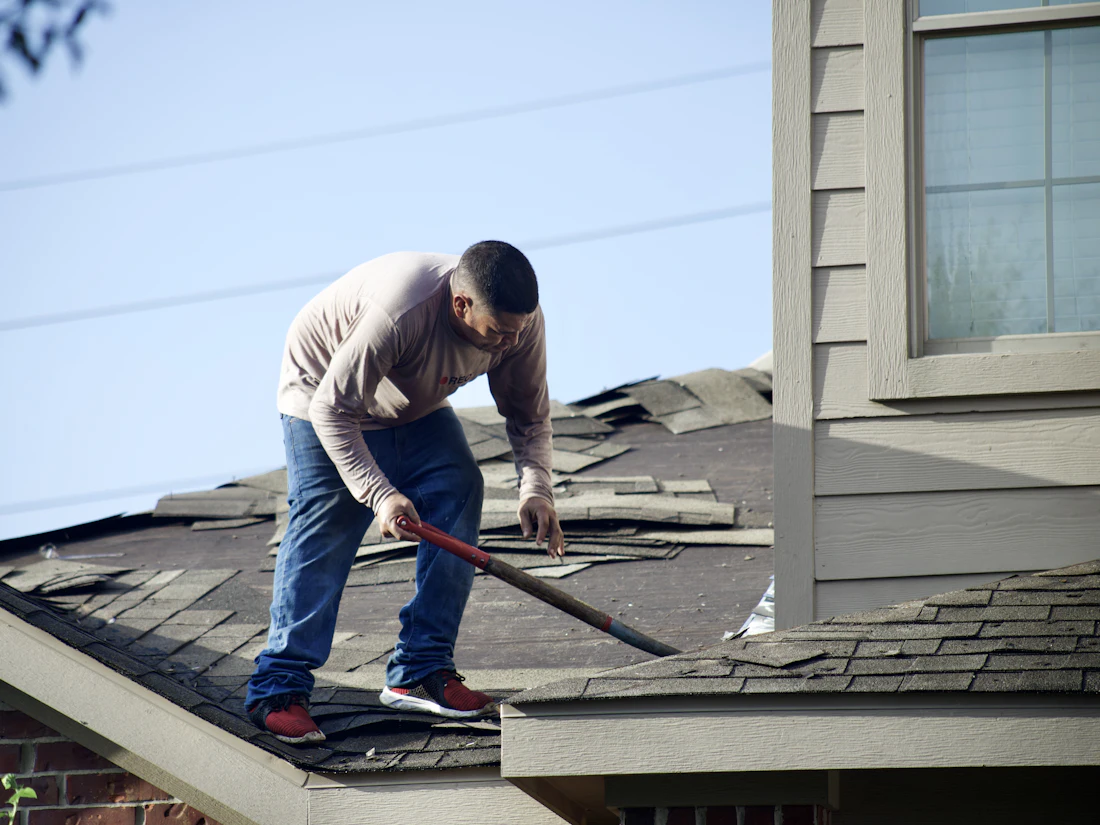
A roof replacement removes the existing roofing down to the wood deck, repairs the deck, and installs a complete new system: underlayment, ice barrier, flashing, ventilation components, shingles or panels, and ridge caps.
The alternative, called an overlay or re-cover, nails a new layer of shingles over the old one. It is cheaper on day one, but it hides the condition of the decking, keeps old flashing in place, adds weight, and usually shortens the life of the new shingles because they sit on an uneven, heat-holding base. Building codes based on the International Residential Code generally prohibit a new layer when the roof already has two layers, or when the existing roofing is water-soaked or deteriorated, and most reputable roofers recommend a full tear-off regardless.
Hiring a roofing contractor in Loveland CO for a replacement means getting all of those layers designed to work together, with one warranty covering the system rather than a patchwork of old and new parts.
Methods and materials
What layers and materials go into a new roof?
Shingles get the attention, but each layer underneath has a job. A quote that skips any of these is not comparable to one that includes them.
The system, from the deck up
- Decking repairs: soft, delaminated or rotted sheathing is replaced so the new roof has a solid nailing base.
- Ice and water shield: a self-adhering membrane at the eaves, in valleys and around penetrations that seals around nails and stops water pushed up by ice dams.
- Underlayment: synthetic felt over the rest of the deck as a secondary water barrier.
- Drip edge and starter strip: metal edging that directs water into the gutters, plus a sealed first course that resists wind uplift at the edges.
- Flashing: new step, valley, apron and chimney flashing rather than reused metal.
- Ventilation: balanced intake at the soffits and exhaust at the ridge, which keeps the attic cooler in summer and drier in winter.
Common material choices in Loveland
- Architectural asphalt shingles: the most common choice, thicker and more wind-resistant than older three-tab styles.
- Class 4 impact-rated shingles: asphalt shingles designed to resist hail, often with a modified, more flexible formula.
- Standing-seam or stone-coated steel: long-lived and fire-resistant; heavy-gauge panels tend to shrug off hail that would bruise asphalt.
- Concrete tile and synthetic shake or slate: heavier or specialty options, often chosen for appearance or to meet HOA rules.
Warning signs
What are the 8 signs it is time to replace your roof?
One sign alone may only call for a repair. Several together, spread across multiple slopes, usually mean the roof has reached the end of its service life.
- Curling or clawing shingles on more than one slope, not just one patch.
- Bald areas where granules have worn away, exposing black asphalt or the fiberglass mat.
- Shingles that crack when lifted instead of flexing.
- A sagging ridge or wavy deck visible from the street, a sign of weakened sheathing or framing.
- Leaks that keep coming back in different places after each repair.
- Two layers of shingles already on the roof, with new problems appearing.
- Hail damage across most slopes confirmed by an inspection or an insurance adjuster.
- Moss, rot or daylight through the decking in several attic bays.
Causes
Why do roofs reach the end of their life early?
A roof's rated life assumes good installation and normal conditions. Several things cut it short.
Poor attic ventilation
An attic without enough intake and exhaust traps heat that cooks shingles from below and moisture that rots the deck. Ventilation problems are one of the most common reasons a roof fails years before its rating.
Accumulated storm damage
Each hail event that was not bad enough to replace the roof still knocked off granules and stiffened the shingles a little more. Several moderate storms can add up to a worn-out roof.
Installation shortcuts
High nailing, too few nails per shingle, reused flashing and missing starter strips all lead to wind damage and leaks long before the materials themselves wear out.
Material mismatch
A lightweight shingle on a steep, exposed roof, or an older three-tab product in a high-wind spot, simply is not built for the load it carries.
Before you get quotes
What should you check before getting replacement quotes?
A little homework makes quotes easier to compare and helps you ask the right questions.
- Find the year the current roof went on, from closing documents, permits or the previous owner.
- Look at the roof edge from a ladder at the gutter, or at a lifted corner photo, to count how many layers exist.
- Check your HOA covenants for approved materials and colors before you fall in love with a product.
- Read your homeowner's policy for any hail-resistant roof discount.
- Note any attic heat, frost or condensation problems so the new roof can address ventilation.
Ask every roofer to price the same line items: tear-off layers, decking per sheet, ice and water shield coverage, underlayment type, ventilation and flashing. Quotes that look far apart often turn out to cover different scopes.
What to expect
What happens on replacement day, step by step?
Most single-family replacements follow the same sequence. Knowing it helps you prepare the house and spot a rushed job.
- Permit and delivery. The permit is pulled, and materials are delivered, often onto the roof itself, a day or two ahead.
- Site protection. Tarps go over landscaping and around the house, and a dumpster or trailer is placed for debris.
- Tear-off. The crew strips old shingles, underlayment and nails down to the deck, usually one section at a time.
- Deck inspection and repair. Damaged sheathing is replaced. Ask to see photos of any decking that was swapped.
- Dry-in. Ice and water shield, underlayment, drip edge and new flashing go on so the house is protected even before the shingles.
- Shingles, vents and ridge. Shingles are installed from the eaves up, followed by ridge vent and caps.
- Cleanup and final inspection. Magnetic sweeps pick up nails, the city inspection is scheduled, and you should receive warranty paperwork.
Cost factors
What affects the cost of a roof replacement?
Roofs are priced by the square, which is 100 square feet of roof surface, but many details move the final number.
| Factor | Effect on the project |
|---|---|
| Number of squares | Total roof area, including waste for cuts at hips and valleys. |
| Complexity | Many valleys, dormers and skylights add cutting, flashing and labor. |
| Material line | Impact-rated, metal and tile cost more than standard architectural shingles. |
| Tear-off layers | Each extra layer adds labor and disposal weight. |
| Decking replacement | Usually priced per sheet and only known after tear-off. |
| Warranty tier | Enhanced manufacturer warranties may require specific components and certified installers. |
Urgency
When can a roof replacement not wait?
Replacement is usually planned, but it becomes urgent when leaks are appearing in several rooms, when the deck feels soft underfoot, or when a storm has stripped or punctured large areas. In those cases the roof should be tarped now and the replacement scheduled as soon as materials and a permit allow.
A visibly sagging section of roof can indicate structural damage to rafters or trusses. Keep people out of the rooms below and have it evaluated before anyone walks on it.
FAQ
Roof replacement questions from Loveland homeowners
Do I need to be home during the replacement?
Not necessarily, but be reachable. The crew needs access to outdoor outlets and the driveway, and someone may need to approve decking replacement once the old roof is off. Expect loud hammering throughout the day.
Should I clear out the attic first?
Cover or move anything valuable stored in the attic. Tear-off shakes loose dust, old granules and the occasional nail tip through the decking. Taking pictures off walls on upper floors is also a good idea.
Can I change from asphalt to metal?
Yes, on most homes. Metal needs a compatible underlayment and attention to snow guards above doors and walkways, since snow slides off metal in sheets. Check HOA rules before committing.
Will the new roof fix my ice dams?
It helps if the job includes proper ice and water shield and balanced ventilation. Ice dams are driven by attic heat, so air sealing and insulation work may also be needed to stop them completely.
Is it better to repair or replace a roof that is mid-life?
If damage is localized and the shingles are still flexible, a targeted roof repair usually makes more sense. If problems are spread across slopes or hail hit most of the surface, replacing it is the better long-term value.
What warranties should a new roof come with?
Two kinds: the manufacturer's material warranty and the installer's workmanship warranty. Get both in writing, note who registers the manufacturer warranty, and check whether either one transfers to a future buyer.
Built to last
The best time to plan a new roof is before it starts leaking.
(970) 555-0100Call to get connected with a local roofer who can inspect the deck, explain material options and quote a complete replacement.