Emergency service · Loveland, CO
Emergency Roof Repair in Loveland
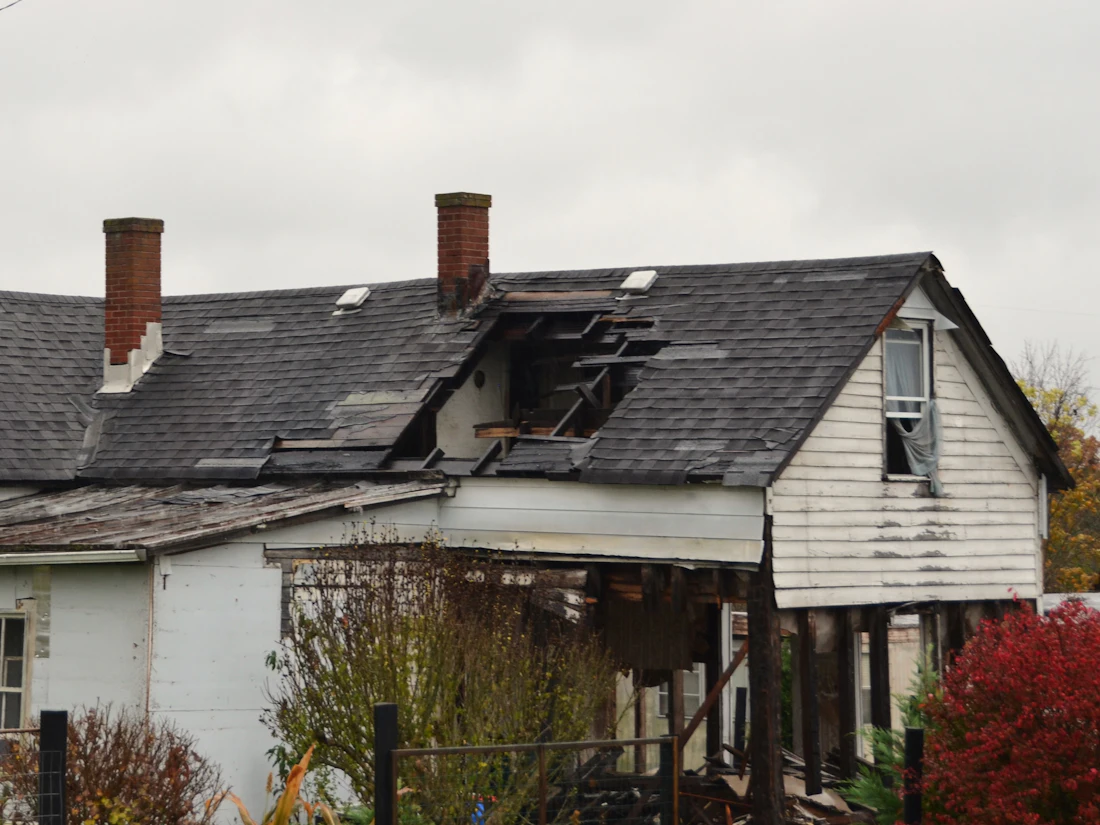
A limb came through the roof. The wind peeled off a section of shingles. Water is running down the wall. Right now the only goal is to stop more water from getting in and keep everyone safe. The permanent fix comes after.
Definition
What is emergency roof repair?
Emergency roof repair is temporary, fast work that makes a damaged roof weathertight and safe until a permanent repair or replacement can be done. Think tarps, temporary patches and debris removal, not new shingles.
The distinction matters. In the middle of a storm, or right after one, conditions are rarely right for permanent work: decking may be wet, materials may not be on hand, and the full extent of damage is not yet clear. A good emergency visit stops the water, documents the damage, and leaves the roof stable for a proper assessment once the weather clears.
Most homeowner's policies also expect you to take reasonable steps to prevent further damage after a loss, and emergency tarping is the clearest example. Keep every receipt. For non-urgent problems, our page on roof help across Loveland lists the planned services.
Methods
How is a damaged roof secured in an emergency?
The right technique depends on what failed and how big the opening is. These are the standard tools of emergency roof work.
Emergency tarping
A heavy-duty tarp is run from below the damaged area up and over the ridge so water cannot get under its top edge. It is fastened through wood battens screwed into the deck rather than with loose weights, which blow off. Done right, a tarp can hold for weeks while claims and scheduling play out.
Temporary patches and sealing
Small openings, like a lifted flashing or a cracked vent, can be closed with roofing cement, a flashing patch or a temporary membrane until a permanent repair is scheduled.
Board-up and debris removal
When a limb has punctured the deck, the limb is removed carefully, sometimes with a tree service, and the hole is covered with plywood before tarping. Loose debris that could damage the tarp or fall is cleared.
Interior protection
While roofers secure the outside, water damage on the inside may need its own response: extraction, fans and dehumidifiers to prevent mold. That is usually a separate water mitigation service.
Warning signs
What are the 8 signs a roof problem is an emergency?
If any of these describe what you are seeing, do not wait for a regular appointment.
- Water pouring or streaming in, not just dripping.
- Daylight or sky visible through the roof from inside the attic or a room.
- A tree or large limb on the roof, with or without a visible hole.
- Large sections of shingles or underlayment missing after high wind.
- A ceiling bulging or sagging with trapped water.
- Water near light fixtures, outlets or the electrical panel.
- A skylight shattered by hail or debris.
- Visible sagging in the roofline after heavy snow or a falling object.
Causes
What causes roof emergencies around Loveland?
Most roof emergencies here come from a short list of events, and each leaves a different kind of damage.
High wind events
Strong gusts, particularly on the west side of town near the foothills, can strip shingles off in sheets once one row lets go. Ridge caps, rakes and roof edges usually fail first.
Falling trees and limbs
Mature trees in older neighborhoods and on larger rural lots are beautiful until a heavy, wet spring snow or a windstorm brings a limb down on the roof.
Severe hail
Most hail damage is slow, but large stones can crack skylights, shatter plastic vents and occasionally break through brittle shingles, creating immediate leaks.
Heavy snow and ice
Wet spring snow is heavy. On older or under-built roofs, the load can stress framing, and ice dams can push water inside during a thaw.
Safety first
What should you do right now, before help arrives?
Your priorities are people, then power, then property. Do not climb onto the roof during or right after a storm, even to throw a tarp.
- Move everyone away from rooms with sagging ceilings or water near electrical fixtures.
- Shut off power to affected circuits at the breaker if you can do so safely and dry.
- Contain water with buckets, towels and plastic sheeting, and move valuables and electronics.
- Take photos and video of the damage inside and out, from safe positions, before anything is moved.
- Call your insurance company to open a claim, and keep receipts for anything you buy to limit damage.
When you call, give a clear picture in one sentence: what happened, where on the house, and whether water is inside. For example, "A limb hit the back slope and water is coming into the upstairs bedroom." It helps the roofer bring the right materials.
What to expect
What happens on an emergency call, step by step?
Availability for emergency work varies by provider and by how many homes a storm hit, but the visit itself follows a clear order.
- Triage on the phone. You describe the damage, and the roofer decides what to bring and how urgent the visit is.
- Safety check on arrival. The crew looks for structural risk, electrical hazards and unsafe footing before anyone goes up.
- Documentation. Photos are taken of the damage before anything is moved or covered, which supports your claim.
- Debris removal. Limbs and loose material are cleared from the damaged area.
- Temporary protection. The opening is boarded, tarped or patched and fastened to hold through more weather.
- Next-step plan. You get a summary of what was done and what the permanent repair will likely involve.
Cost factors
What affects the cost of emergency roof repair?
Emergency work is priced separately from the permanent repair. These factors drive the number.
| Factor | Why it matters |
|---|---|
| Timing | Nights, weekends and peak storm days often carry higher rates. |
| Size of the opening | Larger areas need bigger tarps, more battens and more labor. |
| Tree or debris removal | Heavy limbs may require a tree service before roof work can start. |
| Roof pitch and height | Steep or tall roofs need more safety setup, especially when wet. |
| Interior water damage | Drying and mitigation are usually billed separately from roofing. |
Urgency
When can a roof problem wait until morning?
If water has stopped, the drip is small and contained, and there is no structural or electrical risk, it is reasonable to contain it overnight and call first thing. Slow, recurring drips are better handled through roof leak repair, which traces the source instead of only covering it.
If you smell gas after a tree strike, see sparking or arcing, or the roof is visibly collapsing, leave the house and call 911 and your utility company first. Roofing comes after the house is safe.
FAQ
Emergency roof questions from Loveland homeowners
How long can a tarp stay on my roof?
A properly fastened, heavy-duty tarp can protect a roof for weeks. Strong sun and wind wear tarps down, though, so schedule the permanent repair as soon as you can and check the tarp after every storm.
Will insurance pay for emergency tarping?
When the underlying damage is covered, reasonable emergency measures to prevent further damage are commonly covered too. Keep receipts and photos, and confirm the details with your insurer.
Should I tarp the roof myself?
It is not recommended. Wet, damaged roofs are slippery and may not support weight, and a tarp that catches wind can pull you off balance. Contain water inside and leave the roof to a crew with fall protection.
A tree hit my roof. Who do I call first?
If there are downed power lines or gas smells, call 911 and the utility. Otherwise, a roofer can assess the roof and coordinate with a tree service, since the limb often has to come off before the hole can be covered.
Is hail damage an emergency?
Usually not, unless hail broke a skylight, punctured a vent or caused an active leak. Otherwise, schedule an inspection through our hail damage roof repair page and document the damage before filing.
What happens after the emergency visit?
The roof is inspected in dry conditions, the permanent repair or replacement is quoted, and your insurer reviews the claim if one was filed. The tarp stays in place until permanent work begins.
Act now
Water is coming in. Get the roof covered before the next band of rain.
(970) 555-0100Call to get connected with a local roofer for tarping, temporary repairs and storm damage documentation.