Why it matters here
Why does the age of your Lakemont home change the roofing answer?
Because a 1970s split-level and a 2010 two-story have almost nothing in common above the ceiling. Knowing which half of Lakemont you live in tells a roofer what to expect.
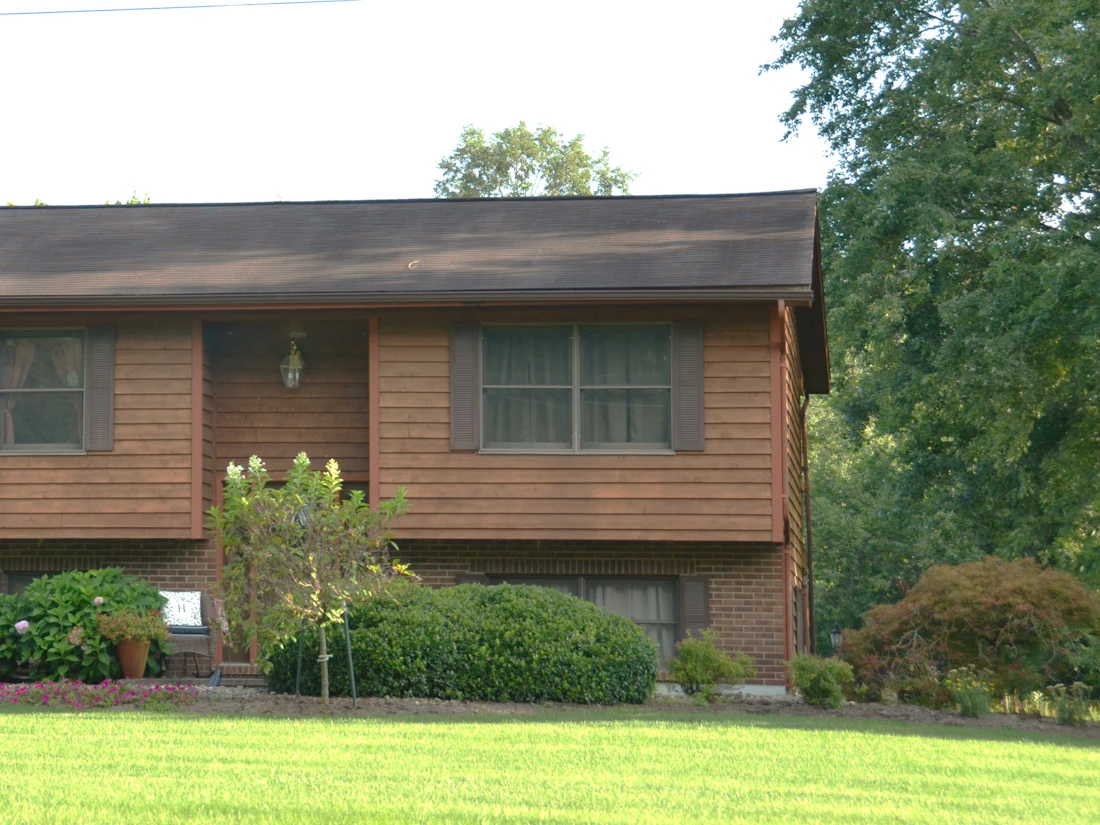
The older homes, many built in the 1970s near Mehaffey Park, have been through several roofs already. By now most have been reshingled at least once, sometimes as an overlay. Split-levels and raised ranches from that era have multiple roof planes at different heights, and the joints where a lower roof meets the wall of a higher one need step flashing and kick-out flashing that older installs often skipped. Attics in these homes may also have less insulation and ventilation than modern standards call for.
The newer Lakemont sections are a different story. Homes built in the late 2000s and early 2010s are mostly still on their first roof, and the questions are about hail history, builder-grade materials and, in some areas, HOA guidelines. Some of the older parts have no HOA at all, so the rules can change from one street to the next. For a citywide view of how weather wears roofs down, see our page on roof help across Loveland.
Either way, the west side sits closer to the foothills than most of town, so wind is part of the picture for both generations of homes.
The mix also affects what a fair quote looks like. A full replacement on a 1970s home often includes decking repairs, new flashing at every wall joint and ventilation upgrades, while a newer home may need little more than shingles, underlayment and new boots. Comparing your quote with a neighbor's only makes sense if your houses come from the same era, so ask any roofer to explain which items they found on your roof and why each one is needed.